Home
/
RELIGION & LIBERTY
/
Double-edged sword: Psalm 94:14,15
May 3, 2026 12:22 AM

For the LORD will not cast off his people, neither will he forsake his inheritance. But judgment shall return unto righteousness: and all the upright in heart shall follow it.

So often in life we feel alone, neglected, and forgotten. Even in crowds an indi vidual can feel isolated, excluded, and supremely unimportant, sometimes through no fault of his or her own. Yet worse, often we are unfairly wronged by people who are supposed to be friends and loved ones, or we are persecuted and tormented by foes. The 94th Psalm is an appeal by the psalmist for the Lord to be a judge and to intercede on behalf of his people.

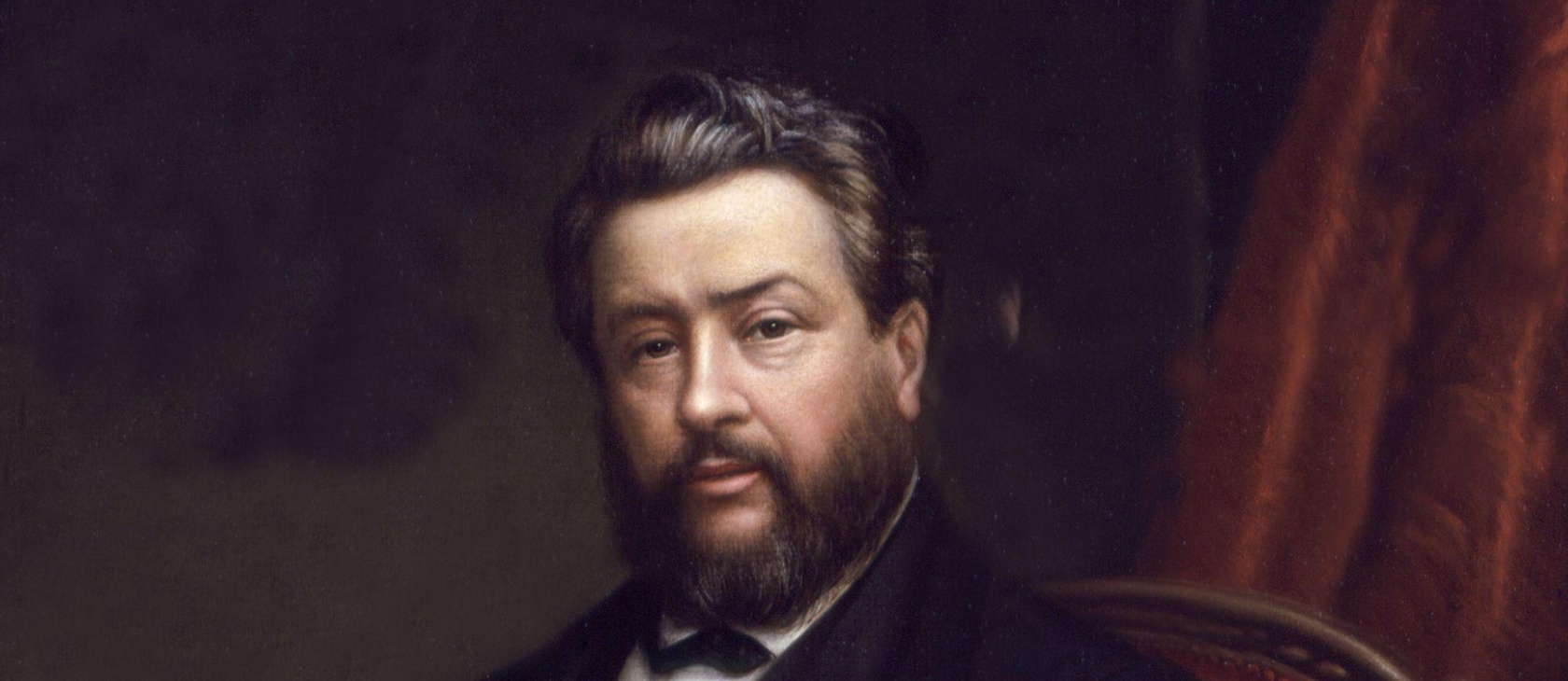
The English evangelist, Charles Spurgeon, declared of the 14th verse of the Psalm: “If any of you are deeply troubled, I counsel you to get a hold of this promise! Perhaps it seems to you as if two seas of sorrow had met around you and that you were in a whirlpool of trouble. Then I say again, lay hold of this text and grip it firmly.“ Those who are faithful and devoted to the Lord through the ages have asked, “Why does God allow the wicked to prosper?“ While our Lord may allow evil deeds to go unpunished for a time and allow pain and correction for his own people, he never casts them aside or forsakes them.

There is a particularly beautiful passage in the 9th chapter of John’s Gospel illustrating God’s intercession for his people. Jesus and his disciples were walking along, and they came upon a man who was born blind. At that time, it mon to believe a person’s physical infirmity was the result of that person’s sin or was inherited from the sin of his or her ancestors. His disciples asked him who had sinned “that he was born blind?“ Jesus responded, “Neither this man nor his parents sinned, but this happened so that the work of God might be displayed in his life.“

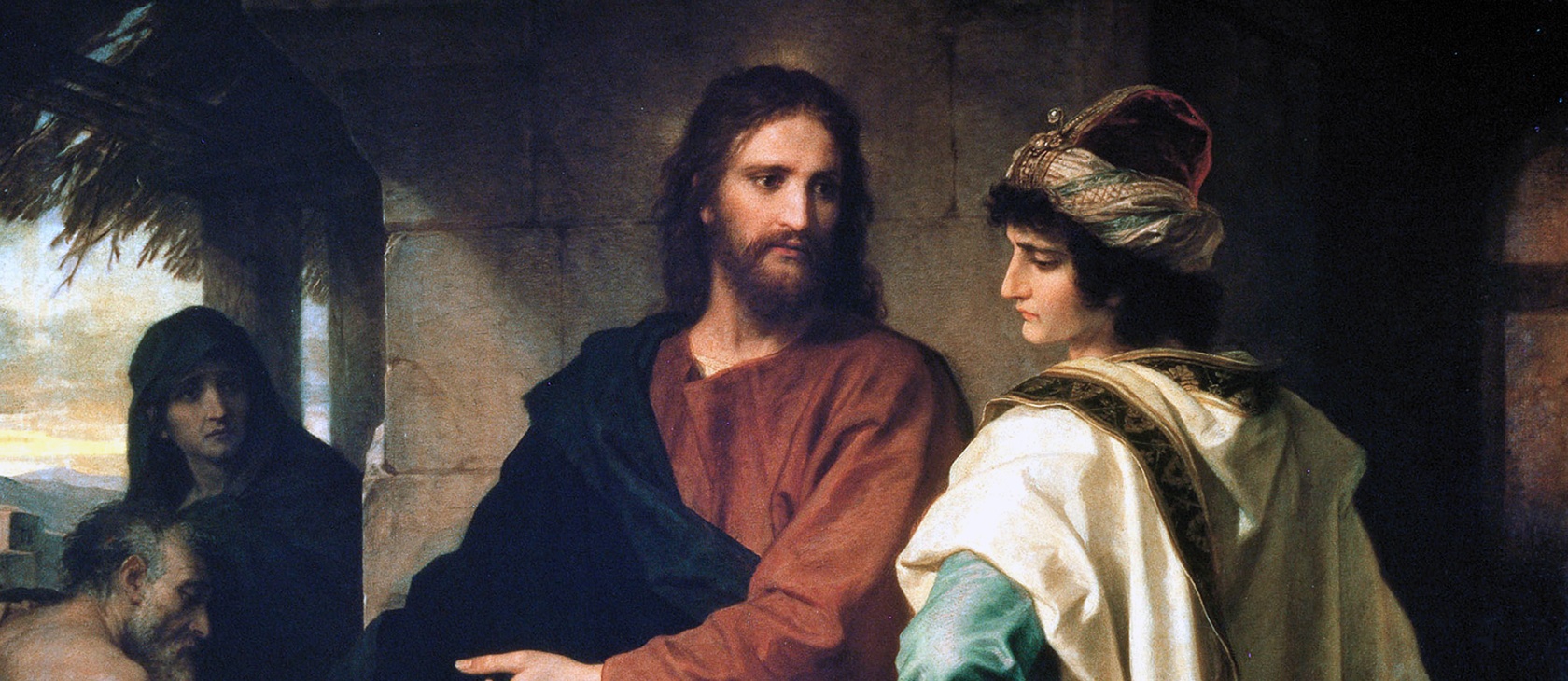
Jesus, of course, healed the man, and the Gospel writings are beautifully filled with accounts of Jesus’s earthly ministry. Christ sought out the destitute, the sick, the lonely, and the marginalized. The ministry and intercession of Christ is the greatest assurance that the Father has not cast aside or forsaken his people. It is why so many saints in Christianity have found inspiration and transformation where others could only find despair. The life, death, and resurrection of Christ testifies to the power of God in the present now and through all time. Those that will be cast aside are the ones who mock what is right and hurl insults at the Lord; they are lovers of worldly things and worldly principles, their lives are only for this world. Their joy and strength subsides for only a fleeting moment, but for those who put their trust and joy in the Lord; the psalmist also declares God will turn their “mourning into dancing.“

Comments
Welcome to mreligion comments! Please keep conversations courteous and on-topic. To fosterproductive and respectful conversations, you may see comments from our Community Managers.
Sign up to post
Sort by
Show More Comments
RELIGION & LIBERTY
Repressions
The First freedom Twenty years on from the fall of the Berlin Wall, it is worth recalling the distinctly salvific promises of the inhuman ideologies munism and fascism that resulted in the deaths of tens of millions of innocent people during the 20th century. The utopian promises of murderous ideologues were panied by a vicious fury against those faiths that proclaimed freedom and human dignity. The despot persecutes the believer, who refuses to offer the totality of his life...
Debating the depression: An interview with Amity Shlaes
Your book, The Forgotten Man, has played a major role in challenging the consensus about the New Deal that prevails in the academy and in popular culture. I'm interested in what motivated you to write the book. We grew up with various versions of the 1930s. One version was that Franklin Delano Roosevelt took office and made it better. That Roosevelt cured the depression, in essence. A less simple version was: Roosevelt didn't cure our economic ailment in the...
Why is the Acton Institute partnering with the Stewardship Council?
Following the successful production of Acton Institute’s Effective Stewardship Curriculum, and with an eye to the launch of Zondervan’s NIV Stewardship Bible in the fall of 2009, we have formed a close partnership with the Stewardship Council, a five-year-old nonprofit that was established as an outreach to the broader munity. The Stewardship Council is a natural partner for the work that Acton has been doing now for almost twenty years. The Stewardship Council, a leader in the development and...
Acton FAQ
What role does blogging play into Acton’s communication mix? The Acton PowerBlog, the most popular feature of Acton’s growing web presence, marked its fifth year of faith-and-policy punditry in April. Written by a diverse group of scholars, writers, clergy, and businesspeople, the blog is a forum for a wide variety of social and economic topics. To date, Acton bloggers have published almost 3,000 posts and readers – who provide their own invaluable insights – have logged about ments to...
Francis Schaeffer
We cannot deal with people like human beings, we cannot deal with them on the high level of true humanity, unless we really know their origin—who they are. God tells man who he is. God tells us that He created man in His image. So man is some- thing wonderful. Francis Schaeffer is one of the most influential Christians to have lived in the twentieth century. His life closely paralleled the rise and fall of munism in Europe. Schaeffer...
Doing justice - Benedict's way
As the squabbling continues over various policy suggestions contained in Benedict XVI’s Caritas in veritate, there’s a risk that the deeper theological themes of the text will be overlooked. It’s also possible some of the wider implications for the Catholic Church’s own self-understanding and the way it consequently approaches questions of justice will be neglected. For historical perspective, we should recall that before, during, and after the Second Vatican Council there was—and remains—an intense theological debate within the Catholic...
'Money, Greed, and God'
The belief that the essence of capitalism is greed is perhaps the biggest myth Jay W. Richards tackles in his new book, Money, Greed, and God: Why Capitalism is the Solution and not the Problem. One reason for confronting this challenge is that many free market advocates subscribe to the thought that capitalism produces greed, and for them that’s not necessarily a negative. But for those with a faith perspective, greed and covetousness are, of course, serious moral flaws....
A Christian perspective for health care reform
How should health care in the United States be reformed? The principles of social justice outlined in Catholic social teaching can be considered by all those of good will as guidelines for ethical health care reform. Those principles, are the dignity of the human person, mon good, solidarity, and subsidiarity. These four social justice principles provide a foundation for a virtuous and economically sound improvement in medical resource allocation; a Christian prescription for health care reform. It is clear...
Double-edged sword: Psalm 94:14,15
For the LORD will not cast off his people, neither will he forsake his inheritance. But judgment shall return unto righteousness: and all the upright in heart shall follow it. So often in life we feel alone, neglected, and forgotten. Even in crowds an indi vidual can feel isolated, excluded, and supremely unimportant, sometimes through no fault of his or her own. Yet worse, often we are unfairly wronged by people who are supposed to be friends and loved...
Alexander Solzhenitsyn
One word of truth shall outweigh the whole world. Toward the close of his 1970 Nobel Prize lecture, Alexander Solzhenitsyn affirmed the power of literature “to help mankind, in these its troubled hours, to see itself as it really is, notwithstanding the indoctrinations of prejudiced people and parties.“ In this, the great man affirmed the power of literature municate the moral truths of our lives, our societies, across all national and ethnic boundaries. Solzhenitsyn, perhaps known by most as...
Related Classification
Copyright 2023-2026 - www.mreligion.com All Rights Reserved